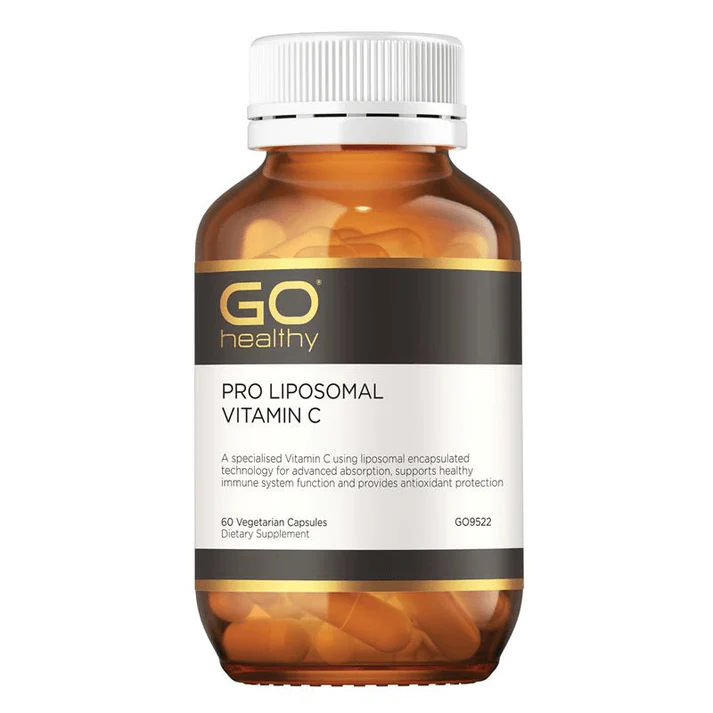
Dietary supplements have become an integral part of the daily lives of millions. From daily multivitamins to various herbal products and omega-3 capsules, many people hope these pills will boost immunity, improve focus, enhance athletic performance, or fill nutritional gaps in their diet. But before you cram a row of bottles into your medicine cabinet, it’s crucial to understand the benefits and limitations of supplements, and when they’re truly worth taking.
First, supplements are simply dietary supplements, not substitutes for natural foods. No capsule or tablet can fully replicate the full range of nutrients, fiber, and phytonutrients found in fruits, vegetables, whole grains, lean protein, and healthy fats. While supplements can help fill certain nutritional gaps, they should not be seen as shortcuts to improving poor eating habits or a sedentary lifestyle.
Who Might Benefit from Supplements?
Certain groups of people are more likely to benefit from targeted supplementation. For example:
Individuals with confirmed nutrient deficiencies may need supplements to reach healthy ranges.
Pregnant people often need folic acid and iron supplements to support fetal development and maternal health.
Older adults may have increased needs for vitamin D, calcium, or B12 due to absorption changes with aging.
Those with restricted diets might require certain nutrients that are harder to obtain from diet alone.
In these cases, supplements can play a supportive role, helping people achieve nutritional balance when food alone isn’t enough.
What Science Says About Effectiveness?
Research shows that some supplements can have real benefits, but evidence varies widely by nutrient and individual need. For example, calcium and vitamin D have well‑documented roles in bone health, and omega‑3 fatty acids may support heart health in certain populations.
However, for many other supplements, the evidence is mixed or limited. Large, well‑controlled clinical trials often fail to show significant benefits in otherwise healthy adults, especially for broad claims like disease prevention or “boosting immunity.”
It’s also important to recognize that not all supplements are created equal. The U.S. Food and Drug Administration (FDA) does not require dietary supplements to be proven safe or effective before they hit the market, unlike prescription medications. Manufacturers are responsible for ensuring safety and accurate labeling, but products may still contain impurities, inaccurate doses, or ingredients not listed on the label.
How to Use Supplements Wisely?
If you’re considering supplements, here are a few evidence‑based tips:
Talk to a healthcare professional first. A doctor, registered dietitian, or pharmacist can help you assess your diet, symptoms, and medical history before recommending any product.
Focus on quality. Look for products from reputable brands that adhere to good manufacturing practices (GMP) and third‑party testing when possible.
Use them as intended to support, not replace, a balanced diet. Whole foods remain the gold standard for nutrients.
Be cautious with high doses and combinations. Taking multiple supplements with overlapping ingredients can lead to excessive intake or harmful interactions.
Conclusion
Dietary supplements can definitely have a place in a comprehensive health plan, especially for those with specific nutritional deficiencies, dietary restrictions, or who are at a particular stage of life. However, they are not a panacea and cannot replace healthy lifestyle habits. It is essential to adhere to a food-based diet, consult authoritative research, and seek advice from health experts to make informed and personalized choices regarding the use of dietary supplements.