
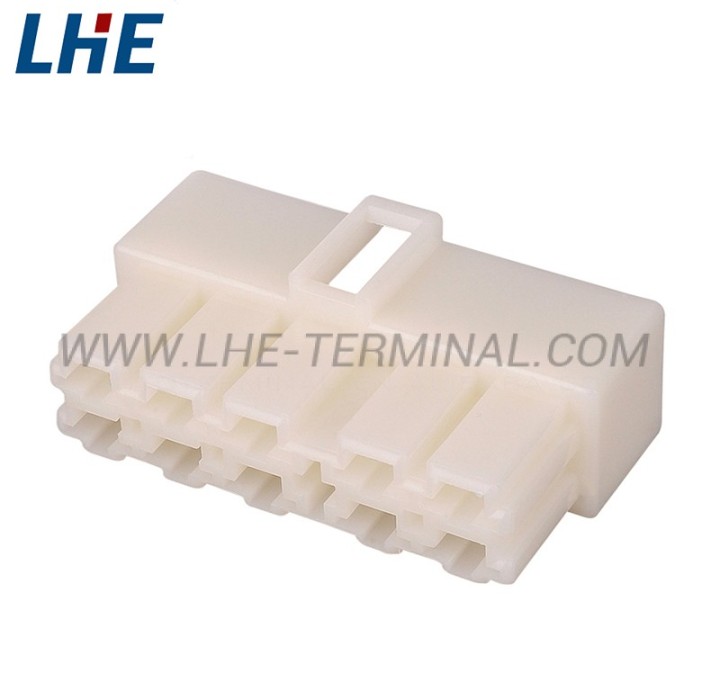
In the intricate world of automotive electrical systems, connectors serve as the vital junctions that maintain the integrity and functionality of a vehicle’s electrical network. These connectors ensure that power and signals travel reliably across the vehicle, linking various components such as sensors, infotainment systems, and safety features.
What Are Automotive Electrical Connectors?
Automotive electrical connectors are components designed to join electrical circuits together within a vehicle. They facilitate the transmission of power and data between different systems, ensuring seamless communication and operation. Given the demanding environments in which vehicles operate, these connectors must be durable, reliable, and capable of withstanding factors like temperature fluctuations, vibrations, and exposure to moisture.
Key Benefits of Automotive Electrical Connectors
Enhanced Reliability: High-quality connectors ensure stable and efficient connections, reducing the risk of electrical failures and improving overall vehicle performance.
Improved Safety: By maintaining secure connections, these connectors help prevent issues that could compromise vehicle safety, such as malfunctioning airbags or ABS systems.
Ease of Maintenance: Connectors allow for quick disconnection and reconnection of components, facilitating easier maintenance and repairs.
Versatility: With various types available, connectors can be selected based on specific requirements, such as power handling, data transmission, or environmental resistance.
 Common Types of Automotive Electrical Connectors
 Common Types of Automotive Electrical Connectors
Crimp Connectors: These are widely used for their ease of installation and secure connections. They are ideal for applications where vibration resistance is crucial.
Solder Connectors: Providing excellent electrical continuity, solder connectors are suitable for applications requiring low-resistance connections.
Push-In Connectors: These connectors allow for quick and tool-free installations, making them convenient for temporary setups or prototyping.
Sealed Connectors: Designed to prevent ingress of moisture and contaminants, sealed connectors are essential for components exposed to harsh environmental conditions.
Selecting the Right Connector
When choosing an automotive electrical connector, consider the following factors:
Current and Voltage Ratings: Ensure the connector can handle the required electrical load.
Environmental Resistance: Select connectors with appropriate sealing and materials to withstand exposure to elements like water, dust, and chemicals.
Mechanical Strength: Choose connectors that can endure vibrations and physical stresses typical in automotive applications.
Compatibility: Verify that the connector matches the specifications of the components it will connect.
Conclusion
Automotive electrical connectors are indispensable for the reliable operation of modern vehicles. By selecting high-quality connectors tailored to specific applications, manufacturers and technicians can ensure optimal performance, safety, and longevity of automotive electrical systems.
For more information on automotive electrical connectors and to explore a wide range of options, visit LHE Terminal.


